
Proviron vs Anastrozole: What to Choose and for Whom
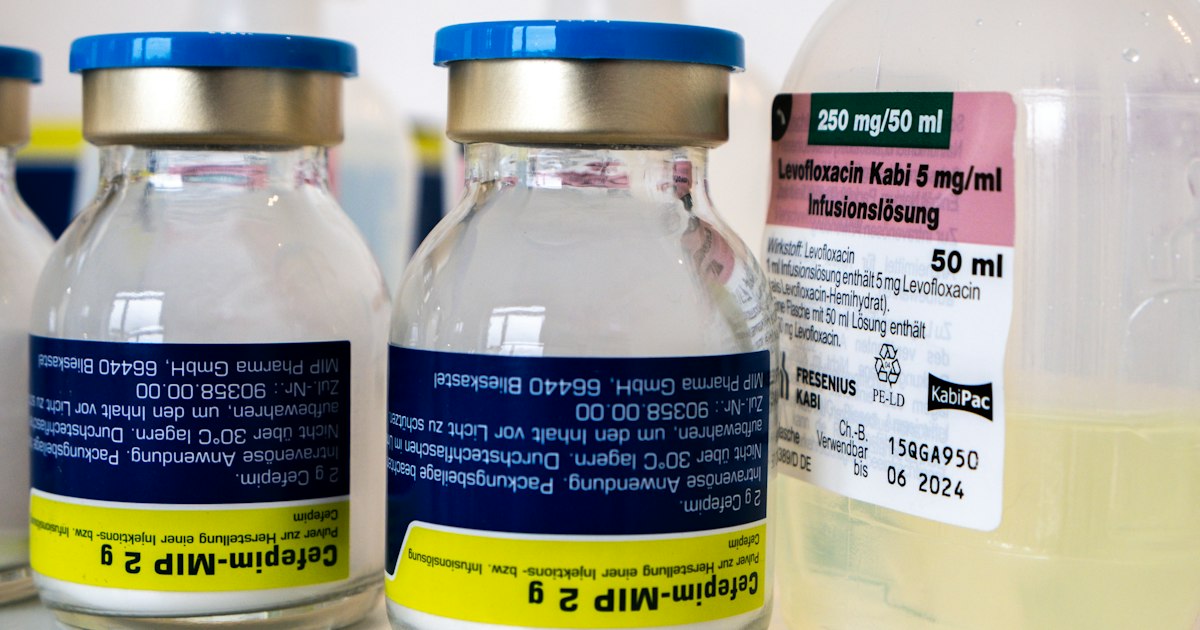
On forums the question "proviron or anastrozole" usually comes up in the context of "what to take against estrogen." The editorial team suggests looking at it from the medical side: to whom doctors prescribe each of these drugs, why the choice between them is not made "at will," and what a person who suspects they have a problem with estrogens should actually do.
The choice depends on the diagnosis, not on the goal
Proviron (mesterolone) is an androgen, anastrozole is an aromatase inhibitor. They treat different conditions, so a situation in which a doctor would choose "one of the two" for the same patient practically does not exist.
When a person poses the question "what to choose," they often already have a ready answer to another question - "what is wrong with me." For example, they believe they have "high estrogen." But without an estradiol test and examination by a doctor, this is only an assumption.
The correct sequence is always the same: symptoms → examination → diagnosis → treatment. The drug is the last link in this chain, not the first.
In addition, both substances are banned by WADA (mesterolone - S1, anastrozole - S4), so for competitive athletes they are unavailable without a therapeutic use exemption, which is granted only in the presence of a justified medical diagnosis.
To whom anastrozole is prescribed
The main group of patients is postmenopausal women with hormone-receptor-positive breast cancer. It is precisely for them that the drug is registered, and precisely in them its effectiveness has been proven in large studies, in particular ATAC (Baum et al., 2002).
In men anastrozole has no official indications. In clinical practice it is sometimes used off-label in certain situations, for example in andrology, but this is a specialist's decision with regular laboratory monitoring.
Studies show why such monitoring is critical. In the work of Burnett-Bowie and colleagues (2009), older men with low testosterone who received anastrozole had a decrease in bone mineral density of the spine compared with placebo, despite an increase in testosterone.
So the answer to the question "for whom anastrozole" is oncologist's patients, and for men only in rare cases at a specialist's decision. For people who train and want to "play it safe" - no.
To whom mesterolone may be prescribed
Mesterolone is not registered in all countries. Where it is available, the indications have historically been androgen deficiency and some disorders of male fertility associated with hypogonadism.
However, the modern evidence base for it is weak. A large WHO study (1989) showed no benefit of mesterolone in idiopathic male infertility, and the Endocrine Society clinical guidelines (2018) for the treatment of hypogonadism focus on testosterone preparations with predictable pharmacokinetics and monitoring.
Thus, "for whom mesterolone" is a narrow group of patients in those health systems where the drug is registered, and only after examination.
For people without a diagnosis of hypogonadism, taking any androgen means an additional hormonal load and suppression of one's own axis.
Gynecomastia and "high estrogen": what to actually do
The most common reason people look for these drugs is fear of gynecomastia. A review by Braunstein (2007) in the New England Journal of Medicine reminds us that there are many causes of breast enlargement in men: from physiological ones (adolescence) to medications, liver and thyroid diseases, and tumors of the testes and adrenal glands.
- See a doctor (endocrinologist, andrologist, breast surgeon) for an examination.
- Have the tests the doctor orders: usually estradiol, total testosterone, LH, FSH, prolactin, hCG, and liver and thyroid indicators.
- If necessary, have an ultrasound of the breasts and testes.
- Treatment is selected depending on the cause; in some cases the doctor chooses observation.
This approach is important because "prophylactic" suppression of estradiol masks symptoms and can delay the diagnosis of serious conditions.
A study by Finkelstein and colleagues (2013) showed that in men estrogens are important for the regulation of fat mass and sexual function. Therefore "the less estrogen, the better" is a faulty strategy.
Who should be especially careful
| Group | Anastrozole | Mesterolone |
|---|---|---|
| Osteopenia, osteoporosis | Risk of further loss of bone mass | A doctor's assessment is needed |
| Prostate diseases | — | Androgens are contraindicated in prostate cancer |
| Dyslipidemia, cardiovascular risks | Possible worsening of lipids | Effect of androgens on lipids |
| Premenopausal women | Not indicated | Risk of virilization |
| Those planning to have children | Consultation needed | Suppression of spermatogenesis is possible |
| Competitive athletes | WADA ban (S4) | WADA ban (S1) |
For anastrozole the label lists joint pain, hot flashes, and decreased bone density among the frequent side effects. For androgens, including mesterolone, acne and effects on hair, the prostate, and the hormonal axis are typical.
People who already use AAS are especially at risk when adding an aromatase inhibitor without monitoring: excessive reduction of estradiol is superimposed on other changes in lipids and well-being.
Any drugs purchased without a prescription carry an additional risk of composition discrepancy.
Editorial conclusions
Between proviron and anastrozole one does not choose: these are drugs for different diagnoses. Anastrozole is primarily an oncological drug for postmenopausal women; mesterolone is an androgen with narrow indications in certain countries and a weak modern evidence base.
A person who suspects "high estrogen" or gynecomastia should choose examination, not a drug.
Estradiol in men is important for bones, lipids, libido, and body composition, so its "prophylactic" suppression is harmful.
We also recommend the articles "Proviron or Anastrozole: what is the difference," about estradiol testing in men, and about the causes of gynecomastia.
References
- Braunstein GD. Gynecomastia. N Engl J Med. 2007;357(12):1229–1237.
- Finkelstein JS, Lee H, Burnett-Bowie SA, et al. Gonadal steroids and body composition, strength, and sexual function in men. N Engl J Med. 2013;369(11):1011–1022.
- Burnett-Bowie SA, McKay EA, Lee H, Leder BZ. Effects of aromatase inhibition on bone mineral density and bone turnover in older men with low testosterone levels. J Clin Endocrinol Metab. 2009;94(12):4785–4792.
- Baum M, Budzar AU, Cuzick J, et al. Anastrozole alone or in combination with tamoxifen versus tamoxifen alone for adjuvant treatment of postmenopausal women with early breast cancer: first results of the ATAC randomised trial. Lancet. 2002;359(9324):2131–2139.
- Bhasin S, Brito JP, Cunningham GR, et al. Testosterone therapy in men with hypogonadism: an Endocrine Society clinical practice guideline. J Clin Endocrinol Metab. 2018;103(5):1715–1744.
- World Health Organization Task Force on the Diagnosis and Treatment of Infertility. Mesterolone and idiopathic male infertility: a double-blind study. Int J Androl. 1989;12(4):254–264.
- World Anti-Doping Agency. International Standard: Prohibited List. Montreal: WADA; 2025.
Andriy Melnyk
A strength-sports coach and author of programs for beginner and intermediate levels. Writes about training planning.