Ostarine vs RAD-140: What to Choose and for Whom
On the internet ostarine is often presented as a "mild SARM for beginners," and RAD-140 as a "strong option for the experienced." The editorial team considers such a presentation a dangerous oversimplification. In this article we answer the question "for whom" from the standpoint of evidence-based medicine: for whom these molecules were created, who absolutely must not use them, and what those who have already encountered them should know.
The myth of the "mild" and "strong" SARM
The division of SARMs into "mild" and "strong" arose in marketing, not in science. It is based on preclinical experiments and user accounts, not on comparative studies in humans. Direct clinical comparisons of ostarine and RAD-140 do not exist.
For ostarine there are randomized phase II and III studies in elderly people and oncology patients. For RAD-140 there are mainly animal studies and an early safety study in breast cancer patients. That is, they can be compared only by the volume of knowledge, not by "mildness."
The absence of studies does not mean safety. On the contrary, for a substance with a minimal clinical history the risks are simply unknown. And clinical cases of liver injury have been described both for products with RAD-140 and for products with ostarine.
Therefore a "mild SARM" is not about safety but about an advertising image. Both substances suppress one's own hormonal axis and both are banned by WADA.
To whom these substances were intended by their developers' design
SARMs were developed as potential medicines for people with real medical problems. A review by Narayanan, Coss, and Dalton (2018) lists the main directions: loss of muscle mass in cancer and chronic diseases, sarcopenia of old age, osteoporosis, androgen-receptor-positive breast cancer.
Ostarine was studied in elderly men and postmenopausal women (Dalton et al., 2011), in patients with lung cancer and cachexia, and later in breast cancer. RAD-140 was studied as a potential agent for hormone-sensitive breast cancer.
None of these programs ended in registration of the drug. This means that even for the target patient groups, regulators did not receive sufficient data to convincingly confirm the balance of benefit and risk.
So the honest answer to the question "for whom" is: participants in clinical trials under the supervision of investigators. Healthy people seeking to improve their shape were never part of the target audience.

Who must not take them under any circumstances
For some groups the risks of SARMs are especially high.
| Group | Main reason |
|---|---|
| Adolescents | Effect on the immature hormonal system and growth |
| Competitive athletes | WADA ban (S1.2), prolonged detection in tests |
| Women, especially pregnant women or those planning pregnancy | Androgenic effects, unknown effect on the fetus |
| People with liver diseases | Cases of drug-induced liver injury have been described |
| People with dyslipidemia or cardiovascular risks | Decrease in HDL |
| Men planning to have children | Suppression of LH/FSH and spermatogenesis |
For competitive athletes there is an additional nuance: even microamounts of SARMs that entered a supplement through contamination can lead to a positive test. Under anti-doping rules, the athlete themselves bears responsibility for what is in their body.
For people who already take other drugs, the potential interactions are unknown, because such studies for SARMs have practically not been conducted.
Finally, for people with a tendency to anxiety or addictive behavior, the risk of transitioning from "mild" substances to anabolic steroids, observed by sports medicine doctors, is important.
What you are actually buying
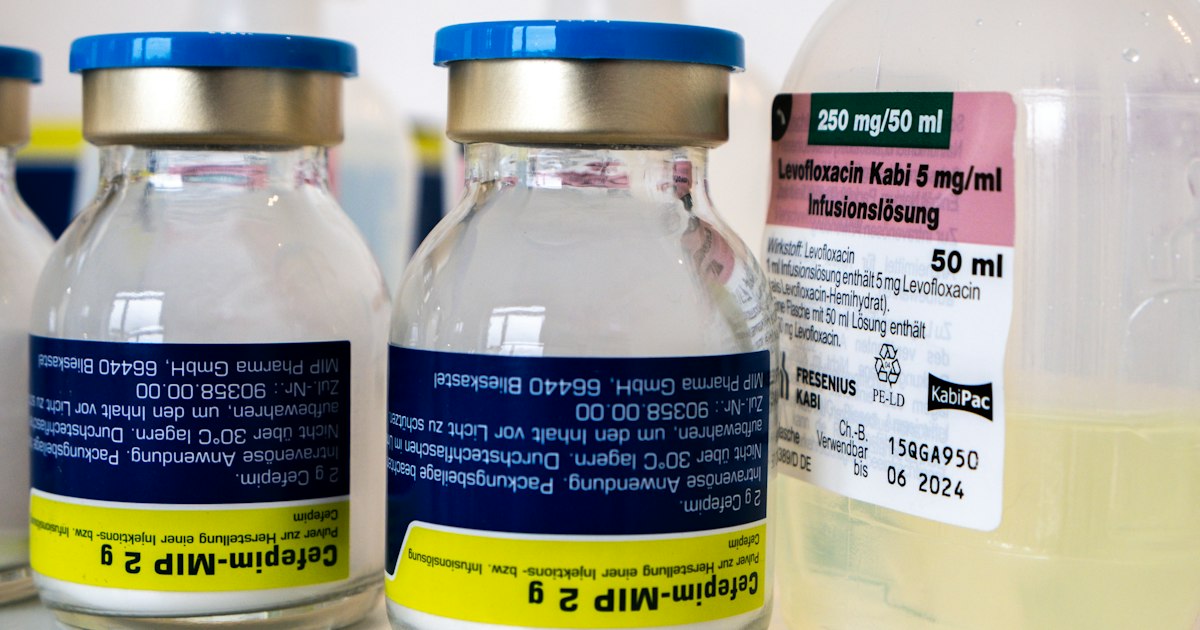
A study by Van Wagoner and colleagues (2017), published in JAMA, analyzed products sold online as SARMs. Only about half of them contained the declared substance; in some other undeclared compounds were found, and the content of active substance often differed from what was indicated on the label.
This means that a person "choosing" between ostarine and RAD-140 often does not actually know what exactly will enter their body. Comparing substances loses its meaning when the very contents of the vial or capsule are unknown.
The FDA has repeatedly sent warning letters to companies that sold SARMs as dietary supplements, emphasizing that such products are not legal supplements.
A sensible alternative for those who want to improve strength and body composition is evidence-based dietary supplements (creatine monohydrate, protein, caffeine before training) with independent certification, along with a competent training program.
If you have already taken SARMs: a plan of action
The editorial team does not condemn but offers practical steps to preserve health. If you have already used products with ostarine, RAD-140, or other SARMs, you should consult a doctor and honestly tell them about it.
- Liver tests: ALT, AST, total and direct bilirubin, alkaline phosphatase, GGT.
- Lipid panel: total cholesterol, HDL, LDL, triglycerides.
- Hormones (as prescribed by a doctor): total testosterone, LH, FSH, and, if necessary, estradiol and prolactin.
- Monitoring of blood pressure and general well-being.
Seek medical help immediately if itchy skin, yellowing of the eyes or skin, dark urine, light-colored stool, or pain in the right upper abdomen appear: these are possible signs of cholestatic liver injury described in the reports by Flores and colleagues (2020) and Barbara and colleagues (2020).
Recovery of the hormonal axis after SARMs usually occurs over time, but its pace is individual. Independent "recovery schemes" with prescription drugs without a doctor can add new risks.
Editorial conclusions
The division into "mild" ostarine and "strong" RAD-140 is a marketing one, not a scientific one. Ostarine is simply better studied, RAD-140 is almost not studied in humans.
By their developers' design, these molecules were intended for patients with cachexia, sarcopenia, and breast cancer, but none became a registered medicine.
For healthy people, athletes, adolescents, women, and people with liver or heart diseases, the answer to the question "what to choose" is neither.
The articles "Ostarine or RAD-140: what is the difference," a review of creatine monohydrate, and a piece about hidden impurities in sports supplements will help continue the topic.
References
- Van Wagoner RM, Eichner A, Bhasin S, et al. Chemical composition and labeling of substances marketed as selective androgen receptor modulators and sold via the internet. JAMA. 2017;318(20):2004–2010.
- Dalton JT, Barnette KG, Bohl CE, et al. The selective androgen receptor modulator GTx-024 (enobosarm) improves lean body mass and physical function in healthy elderly men and postmenopausal women: results of a double-blind, placebo-controlled phase II trial. J Cachexia Sarcopenia Muscle. 2011;2(3):153–161.
- Narayanan R, Coss CC, Dalton JT. Development of selective androgen receptor modulators (SARMs). Mol Cell Endocrinol. 2018;465:134–142.
- Solomon ZJ, Mirabal JR, Mazur DJ, et al. Selective androgen receptor modulators: current knowledge and clinical applications. Sex Med Rev. 2019;7(1):84–94.
- Flores JE, Chitturi S, Walker S. Drug-induced liver injury by selective androgenic receptor modulators. Hepatol Commun. 2020;4(3):450–452.
- Barbara M, Dhingra S, Mindikoglu AL. Drug-induced liver injury associated with Alpha Bolic (RAD-140) and Alpha Elite (RAD-140 and LGD-4033). ACG Case Rep J. 2020;7(6):e00409.
- World Anti-Doping Agency. International Standard: Prohibited List. Montreal: WADA; 2025.
Andriy Melnyk
A strength-sports coach and author of programs for beginner and intermediate levels. Writes about training planning.